
Rob Harvey is a brand builder with more than 20 years of experience elevating unique voices and guiding industry leaders to new technologies. As executive chairman and co-founder of For The Win Robotics, he pioneered the Build | Fly | Code program and released a first-of-its-kind curriculum to schools across the United States.
Tell us about your company and the problem it solves.
Traditional STEM education often relies on abstract concepts and outdated tools, leaving students disconnected from real-world applications. Even when technology is incorporated, learners are frequently siloed on individual screens, preventing the kind of genuine collaboration and problem-solving it should enable. At For The Win Robotics, we're shifting this paradigm with our Build Fly Code® platform — a hands-on approach that empowers students to directly engage with cutting-edge technology through building, flying, and coding with the Hopper® drone.
Through our immersive learning ecosystem, students start by assembling the classroom-optimized Hopper drone and advance through an evolving curriculum that incorporates coding, flight operations, and real-world problem-solving. From writing flight path algorithms to exploring autonomous systems, students discover how drone technology is revolutionizing industries like sustainable agriculture, urban planning, and emergency response.
What is the challenge educators face today that is fixable?
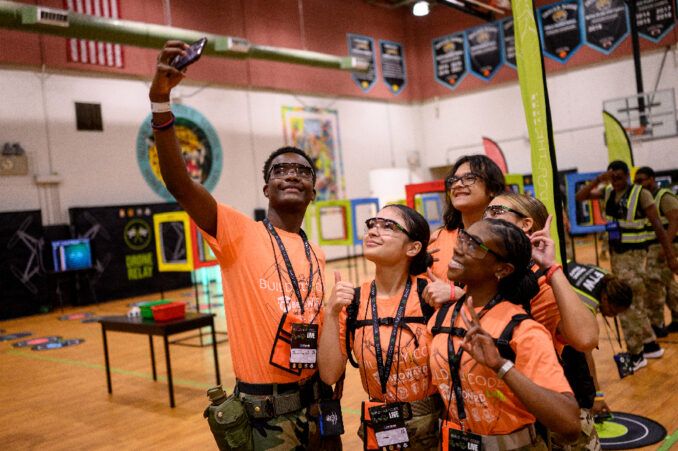
Today's students live in a world saturated with advanced technology, yet classrooms often fail to reflect this reality. This disconnect can lead to disengagement — not because students lack interest in learning, but because traditional methods don't align with the dynamic, tech-rich environment they're accustomed to. The solution lies in reimagining classrooms as hubs of experimentation and discovery. Across the country, educators tell us that students who once appeared disengaged come alive when given the opportunity to work with technology in hands-on, meaningful ways.
What areas of education or workforce development are being overlooked?
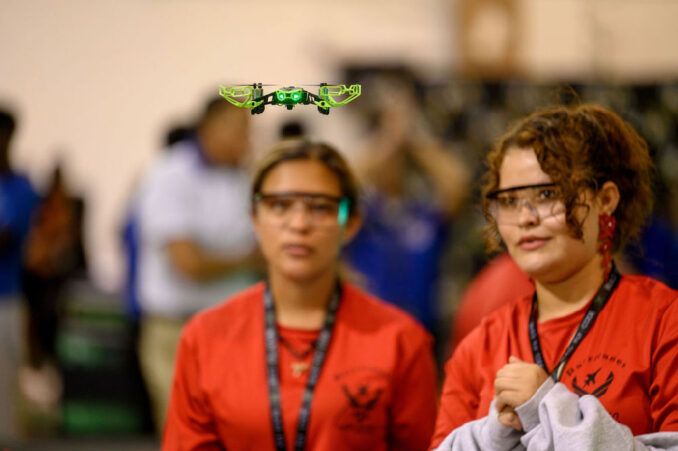
STEM equity remains a critical, yet often neglected, aspect of workforce development. As technology reshapes industries, it's vital to ensure all students — regardless of background, socioeconomic status, or location — have the opportunity to succeed in STEM. Addressing this requires more than simply bridging access gaps — it involves creating environments where all students feel empowered to explore, experiment, and lead.
What challenges do you foresee in education in the next three to five years?
As the pace of technological advancement accelerates, traditional models for adopting and integrating educational technology are falling behind. While industries rapidly innovate, schools often remain constrained by slow procurement cycles and outdated refresh schedules. The most successful schools will operate as living laboratories, where students engage with emerging technologies in real-time, keeping pace with industry advancements and preparing for a future defined by innovation.