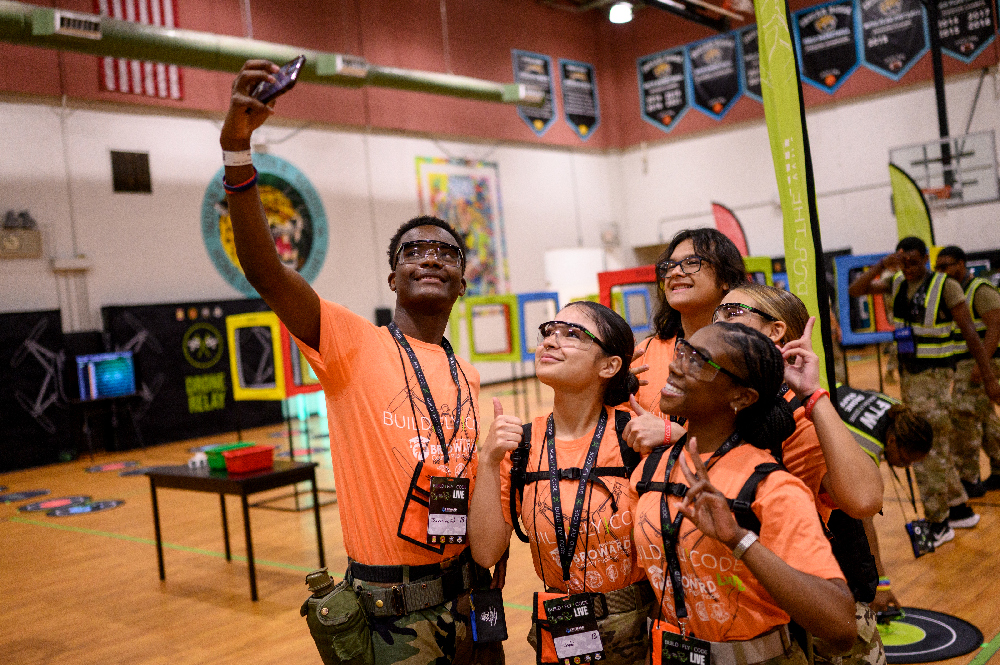
Paving the path for the future construction workforce.
The construction industry is on the cusp of a significant transformation, driven by rapidly advancing technology. As innovation accelerates, an aging workforce presents a critical challenge — the industry needs around 723,000 new workers per year, and with many experienced professionals nearing retirement, a growing labor shortage threatens to stall progress and increase costs. This pressing issue underscores the need for innovative solutions to attract and train the next generation of tech-enabled construction workers.
One promising approach is the integration of drone technology into K-12 classrooms. By introducing students to drones and construction-related projects early on, we can spark their interest in the industry, equip them with essential skills, and inspire innovation.
Revolutionizing Construction with Drones
Drones have become indispensable in the construction industry, offering applications that enhance efficiency, safety, and accuracy — from site surveying and project monitoring to safety inspections. Companies that use drones for progress monitoring have reported a reduction in project time by up to 20%, as well as a significant reduction in workplace accidents, especially those related to falls, which account for 34% of fatalities in the industry.
Regular drone flights can capture up-to-date imagery and video, allowing project managers to track progress in real time and identify potential issues before they become major problems. For students, this offers a unique opportunity to engage with real-world projects and see firsthand the impact of their work.
Empowering Students with Practical Skills
Integrating drones into classroom instruction offers a dynamic way to build critical thinking, problem-solving, and collaboration skills — essential qualities for any construction professional. When students engage in drone-related projects, they apply their knowledge creatively and work together in teams, mirroring the collaborative nature of the construction industry.
Research highlights that students involved in drone programs are more likely to express interest in pursuing STEM careers. The Pennsylvania Department of Education recognized this and established the PAsmart Initiative to provide the training students need to prepare for the workforce of the future — sparking early interest in career pathways while helping close equity gaps in STEM education.
Strengthening Industry-Education Partnerships
To maximize the impact of drone technology in education, it's essential to foster strong partnerships between contractors and schools. Companies can establish ambassador programs where industry professionals visit schools to conduct workshops, participate in career days, and mentor students. In partnership with community colleges, some high schools have developed drone programs that feed directly into college credit and eventual apprenticeships, setting students on a clear pathway to certifications for drone piloting in site monitoring, building inspections, and 3D modeling.
Inspiring Innovation and Career Exploration
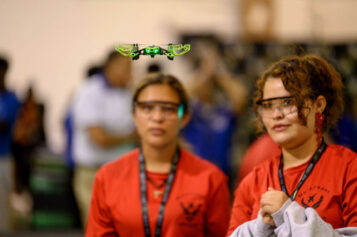
The excitement of working with drones can ignite a passion for innovation among students. By piloting drones and observing their immediate impact on tasks, students are inspired to think creatively and explore new technological advancements in construction. Contractors, educators, and policymakers should collaborate to expand drone programs in schools, ensuring that students are not only exposed to cutting-edge technology but empowered to contribute to the industry's future.
Rob Harvey is executive chairman and co-founder of For The Win Robotics.