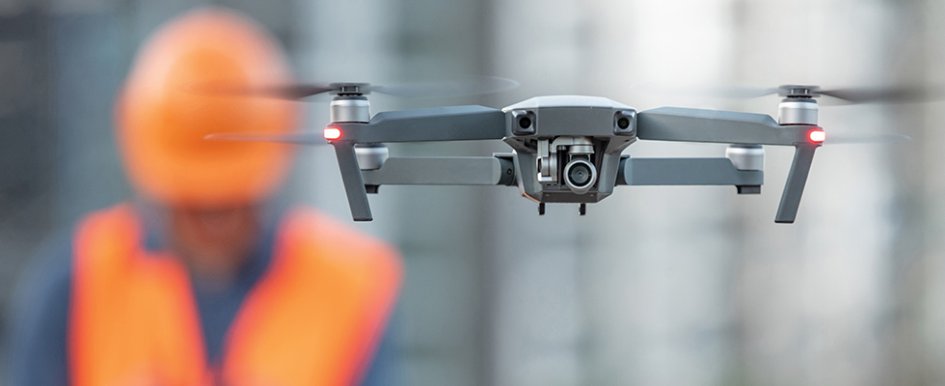
Taking education to the skies.
The construction industry is currently grappling with a significant labor shortage, with approximately 300,000 job openings in 2023 — a figure expected to continue growing. This shortage isn't just a challenge for the industry; it's a potential crisis for the broader economy. As the demand for infrastructure projects grows and the existing workforce ages, the lack of skilled labor threatens to slow economic growth, delay critical projects, and increase costs across the board.
One promising solution lies in the integration of drone technology into K-12 education. By introducing students to the building, flying, and coding of drones, educators can spark early interest in construction careers and equip the future workforce with essential skills. Drones offer a unique intersection of technology and hands-on learning, making construction more relatable and attractive to students who might not have considered it otherwise.
The Role of Drones in Modern Construction
Drones have become indispensable tools across various sectors of the construction industry, from site surveying and project monitoring to safety inspections and more. Companies that use drones for progress monitoring have reported a reduction in project time by up to 20%. Drones have also enabled a reduction in workplace accidents — especially those related to falls, which account for 34% of fatalities in the construction industry.
For students, this presents a unique opportunity to engage with cutting-edge technology and witness the tangible impact of their work on real-world projects. As the construction industry faces an aging workforce, the need to attract younger talent becomes even more critical. Drones offer a way to make the industry more desirable to today's youth, who are more likely to be drawn to careers that integrate advanced tools and technology.
Building Stronger Construction DEI
There is an important opportunity to boost diversity, equity, and inclusion within the construction industry by introducing drone technology and construction career paths to a broader range of students. Drones require a blend of technical skills, problem-solving, and creativity. By incorporating drone education into K-12, schools can provide students from diverse backgrounds with hands-on experience and technical knowledge, breaking down traditional barriers to entry in construction.
Forming Partnerships to Engage Students
To maximize the impact of drone technology in construction education, it is essential to establish strong partnerships between construction companies and educational institutions. Engaging with school districts to introduce drone programs and demonstrate their relevance to construction highlights the benefits of such programs in preparing students for future careers. These partnerships help create a seamless connection between education and industry, paving the way for students to transition smoothly into the construction workforce.
Today's Classrooms, Tomorrow's Construction
Integrating drone technology into K-12 education offers a promising pathway to address the construction industry's labor shortage. By engaging students with drones, we can showcase the tech-enabled nature of modern construction, solve real-world problems, broaden career horizons, and inspire future innovation.
Rob Harvey is executive chairman and co-founder of For The Win Robotics.